Nashville Suburbs Becoming More Popular Than the City Itself
The old Nashville pitch used to sound simple: get close to the music, the restaurants, and the jobs. Nashville suburbs now answer the same search with a cleaner daily trade: more home, easier routines, and room for households that do not want every errand to feel like an event. For renters, buyers, and remote workers, the question is no longer whether Nashville is exciting. It is whether the city core still fits their budget and pace. Across local housing insights, many of the strongest real estate conversations now start outside the county line or on the outer edge of Davidson County. That does not mean the city lost its pull. It means the Middle Tennessee housing market has grown up. People still want access to Nashville, but they want a driveway, a school zone they understand, a grocery store they can reach, and a payment they can defend at the kitchen table. The shift is practical, not anti-city.
Why Nashville Suburbs Are Winning the Everyday-Life Test
The first reason is plain, but it gets missed because outsiders often treat Nashville like a postcard. Locals live the city through school pickup, I-24 backups, rising insurance bills, childcare runs, grocery parking lots, and Saturday mornings that disappear in traffic. A neighborhood can have charm and still wear people down. That is where suburban areas gain ground. They do not beat the city on nightlife. They beat it on Tuesday.
More space matters when work follows you home
Remote and hybrid work changed the house hunt in a quiet way. A spare bedroom stopped being a bonus and became part of the job. A renter who once accepted a tight apartment near Midtown may now want a townhome in Hendersonville, Mount Juliet, or Smyrna because a desk in the corner of the living room no longer works. The decision is not always about square footage for its own sake. It is about keeping work from taking over the whole home.
This is why suburban living near Nashville keeps pulling people who still enjoy the city. They can drive in for a show, a Predators game, a dinner in Germantown, or a meeting downtown, then return to a calmer base. That pattern feels normal to many families from other U.S. metros. In Atlanta, Dallas, Charlotte, and Phoenix, the center city carries the brand, but the edges carry much of daily life. Nashville is now living through that same stage.
The counterintuitive part is that the office did not need to vanish for this to happen. Even two work-from-home days per week can change what a household values. A shorter commute still matters, but one extra room may matter more. That is a major shift in Nashville real estate trends because it moves the emotional target away from proximity alone.
The city still sells culture, but suburbs sell rhythm
Nashville has an identity most metros would love to own. Music, healthcare, tourism, universities, food, and sports give the city a strong pull. Yet identity does not pay the mortgage. A couple with a baby on the way may love East Nashville, but if the monthly payment pushes them into financial stress, the brand loses its shine. They may end up in Lebanon, Gallatin, or Spring Hill and still feel connected to Nashville.
The draw is not only the house. It is rhythm. You can plan a school morning without the same level of friction. You can find newer subdivisions with sidewalks, trails, and playgrounds built into the pattern of the neighborhood. You can shop at familiar national chains without crossing the city. For many people, that boring convenience is the whole point.
A specific example shows the split. A buyer priced out of a renovated home near 12 South may not see a move to Nolensville as a defeat. They may see it as trading restaurant access for a garage, a yard, and a better shot at staying in the same home for ten years. The city offers energy. The suburb offers staying power.
The Affordability Gap Is Changing Buyer Behavior
Affordability is the hard edge behind the soft lifestyle talk. The city did not become less appealing. It became harder to buy into. When prices rise faster than local wages, households stop shopping by dream and start shopping by monthly payment. That is when the Middle Tennessee housing market shifts from emotional preference to math. The math is now pushing many searches outward.
Why the monthly payment now beats the downtown address
A buyer can handle a higher list price only if the payment still makes sense after taxes, insurance, HOA dues, and repairs. Nashville’s central neighborhoods often fail that full-payment test for first-time buyers. The listing price may be the headline, but the after-closing cost is what shapes the decision. A lower-priced home farther out can still win if it gives the buyer room to breathe.
This is where buyers need to be honest about life after closing. A charming older house near the city may need a roof, plumbing work, or a parking solution within the first few years. A newer home farther out may bring a longer commute, but fewer surprise repairs at the start. Neither choice is automatically better. The better choice is the one that keeps the household from living on the edge every month.
That is one reason counties around Davidson keep drawing attention. Rutherford, Wilson, Sumner, and Williamson each offer a different trade. Rutherford may appeal to buyers hunting for relative value and access to Murfreesboro jobs. Wilson can feel convenient for people who use I-40 and want newer retail growth. Sumner attracts people who like the lake-side feel around Hendersonville and Gallatin. Williamson is often less about affordability and more about schools, resale confidence, and polished town centers.
Here is the non-obvious part: a suburb can be expensive and still feel like the better value. Franklin is not cheap. Brentwood is not cheap. Yet some buyers compare what they get there against a similar price in a central Nashville neighborhood and decide the suburban package wins. Value is not always the lowest price. It is the strongest match between cost, space, schools, commute, and long-term comfort.
Renters are reading the market like future owners
Renters are also part of this story. Someone who cannot buy yet may rent in a suburb to test the commute, learn the schools, and see if the area fits. That makes renting less like a pause and more like a scouting trip. Apartment communities in places such as Murfreesboro, Gallatin, and Mount Juliet often serve people who are planning their next purchase before they have the down payment ready.
This pattern matters for first-time home buying checklist planning because the first decision may not be the home. It may be the county. A renter who spends a year in Wilson County learns weekend traffic, grocery options, stormwater issues, school routes, and which roads feel painful at 5 p.m. That local knowledge can save more money than one clever negotiation.
The rental path also changes how agents, builders, and landlords think. A well-located rental near retail and schools can become the front door to a future sale. In the past, people rented near the city while saving for a suburban house. Now many rent near the suburb where they hope to buy. That is one of the clearest Nashville real estate trends hiding in plain sight.
Where the Growth Feels Strongest Across Middle Tennessee
Growth does not spread evenly. It follows roads, job centers, land supply, school reputations, and the places where builders can still make projects work. The area around Nashville is not one suburban ring. It is a set of different markets, each with its own personality. That difference matters because a buyer choosing between Gallatin and Spring Hill is not choosing between two versions of the same life.
Rutherford, Wilson, and Sumner counties are absorbing daily demand
Rutherford County has the scale. Murfreesboro is a city in its own right, with Middle Tennessee State University, medical services, shopping, and a large labor base. For someone who works south or southeast of Nashville, Rutherford can feel less like a compromise and more like a second hub. Smyrna and La Vergne add another layer for buyers who need access to Nashville, Murfreesboro, and the airport side of the metro.
The trade is pressure. Rutherford gives many households more options, yet I-24 can punish anyone who assumes the map tells the whole truth. A buyer who works near downtown may love the price and still regret the drive. A buyer who works in Murfreesboro or from home may see the same area as a clear win. Location is personal down to the hour.
Wilson County has a different feel. Mount Juliet and Lebanon have gained attention because they mix interstate access, newer retail, and subdivisions that look built for modern family routines. A household that wants suburban living near Nashville but still wants a clear route into the city may see Wilson as a sensible middle ground. The commute can still bite, but the lifestyle math often works.
Sumner County has its own pull through Hendersonville, Gallatin, and the lake corridor. It often attracts people who want a softer edge than the south side of the metro. The draw can be water, schools, lot size, or a sense that the community has a more settled feel. The surprise is that many buyers are not fleeing Nashville. They are editing Nashville out of their daily errands while keeping it in their weekend plans.
Williamson County proves popularity is not always about lower prices
Williamson County complicates the idea that suburban growth is only about affordability. Franklin, Brentwood, Nolensville, and Spring Hill attract high-income households, corporate relocations, and buyers who place heavy weight on schools and resale. For these buyers, the city center may feel less like the prize and more like an amenity they can visit.
This is where the cost of living comparison guide should matter more than a simple home-price chart. A larger mortgage in Williamson may come with lower perceived risk for some buyers because the schools, job access, and resale history feel safer to them. That does not make it affordable for everyone. It means the suburb is selling confidence, not only square footage.
The Middle Tennessee housing market is full of these mixed signals. One county wins on price. Another wins on schools. Another wins on commute. Another wins on newer construction. A smart search begins by ranking the pain points, not the ZIP codes. For one household, the pain is school uncertainty. For another, it is a 75-minute commute. For another, it is the fear of buying a small older house that needs repairs from day one.
What Buyers and Renters Should Watch Before Moving Outward
The suburbs can solve real problems, but they can create new ones if you chase space without checking the full life attached to it. A cheaper house that adds ten hours of driving each week may not feel cheaper after three months. A bigger yard can become another bill. A newer subdivision can still sit on a road network that was built for a smaller town. The best move is not farther out by default. It is the place where your real week works.
That point matters more in a region where growth arrives faster than habits change. People still say “close to Nashville” as if distance alone settles the matter. It does not. The right question is more grounded: close to which exit, which school, which work site, which grocery store, and which family support system?
Commute math can erase the savings fast
Nashville traffic has a way of turning small map distances into large time costs. A home that looks close to the city on a Sunday afternoon can feel much farther on a rainy Tuesday morning. I-24 from Rutherford County, I-65 from the south, I-40 from the east, and Vietnam Veterans Boulevard from Sumner can all change the mood of a household. The drive is not an abstract detail. It becomes part of the home.
Before signing a lease or making an offer, test the route at the time you would use it. Drive to work. Drive to school. Drive to the grocery store. Drive back after dinner. A neighborhood can look perfect during an open house and still fail the routine test. That step sounds simple, yet many buyers skip it because they fall in love with the house first.
The non-obvious insight is that commute pain is not only about minutes. It is about control. A 40-minute drive on a reliable road can feel better than a 25-minute drive that swings wildly from day to day. Predictability has value. In a metro where growth keeps pressing against old roads, that value deserves a place in your budget.
Newer suburbs still need old-fashioned due diligence
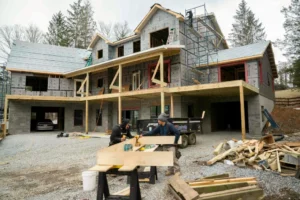
A new subdivision can look finished before the surrounding area is ready. The house may have granite counters, a deep pantry, and a clean inspection, while the nearest road, school, or sewer plan is under stress. Buyers should look beyond the model home. Ask about future phases, HOA rules, planned road work, stormwater drainage, school rezoning, and whether nearby land is likely to become warehouses, apartments, or more subdivisions.
Population data can help here. The U.S. Census Bureau population estimates give a broad view of county growth, but the lived experience happens at the street level. A county may handle growth well in one corridor and poorly in another. That is why a local school board meeting or planning commission agenda can tell you more than a glossy sales brochure.
This is also where personal patience matters. If you want mature trees, short drives, and settled retail, an older suburb may fit better than a booming fringe area. If you want new construction and can tolerate a few years of dust, traffic cones, and changing school zones, the fringe may work. The winning choice is not the trendiest suburb. It is the one that matches your tolerance for change.
Conclusion
The rise of suburban demand around Nashville is not a rejection of the city. It is a correction in how people measure quality of life. A great night out still matters, but it cannot carry a household through rising payments, tight floor plans, and daily friction. Buyers and renters are acting with more care now. They are comparing school routes, parking, room for work, grocery access, and the hidden cost of time. Nashville suburbs have become part of that sharper calculation, especially for people who want city access without city pressure. The smarter move is to stop asking which place is more popular and start asking which place protects your week. Nashville will keep its pull, but the next chapter of demand belongs to communities that make ordinary life easier. Choose the area that fits the life you live Monday through Thursday, not only the one you want to post about on Saturday.
Frequently Asked Questions
Why are people moving to suburban areas outside Nashville?
They are often looking for more space, steadier routines, and a payment that feels easier to manage. Many still want access to Nashville jobs, dining, music, and sports, but they prefer living where errands, school runs, and parking feel less stressful.
Is it cheaper to live outside Nashville city limits?
It can be cheaper, but not always. Some areas outside the city, such as parts of Williamson County, carry high prices. Buyers should compare the full monthly cost, including taxes, insurance, commute fuel, HOA dues, repairs, and childcare logistics.
What are the most popular areas near Nashville for families?
Many families compare places such as Franklin, Brentwood, Nolensville, Mount Juliet, Hendersonville, Gallatin, Smyrna, and Murfreesboro. The best fit depends on budget, school needs, commute route, home size, and how much growth the household can tolerate nearby.
How far from Nashville should a first-time buyer look?
A first-time buyer should start with payment comfort, then test commute routes within that limit. Some may find a fit 20 minutes out. Others may need to look 40 minutes or more from downtown to balance price, space, and condition.
Are Nashville-area suburbs good for renters?
Yes, especially for renters who want to test an area before buying. A lease in a nearby county can reveal commute patterns, school traffic, grocery access, and weekend routines before the renter commits to a long-term purchase.
Does moving outside Nashville mean giving up city access?
No. Many residents still visit Nashville for concerts, restaurants, work meetings, airport access, and sports. The difference is that the city becomes a planned destination instead of the place where every part of daily life happens.
What should buyers check before choosing a growing suburb?
They should review commute patterns, school zoning, HOA rules, drainage, future construction, local road plans, and nearby land use. A newer home can still bring headaches if the surrounding roads and services are not keeping pace.
Will suburban demand around Nashville keep growing?
Demand is likely to stay strong while the city remains a job and culture hub and households keep seeking space, schools, and value. Growth may cool in some pockets, but the basic pull toward practical daily living is not going away.