
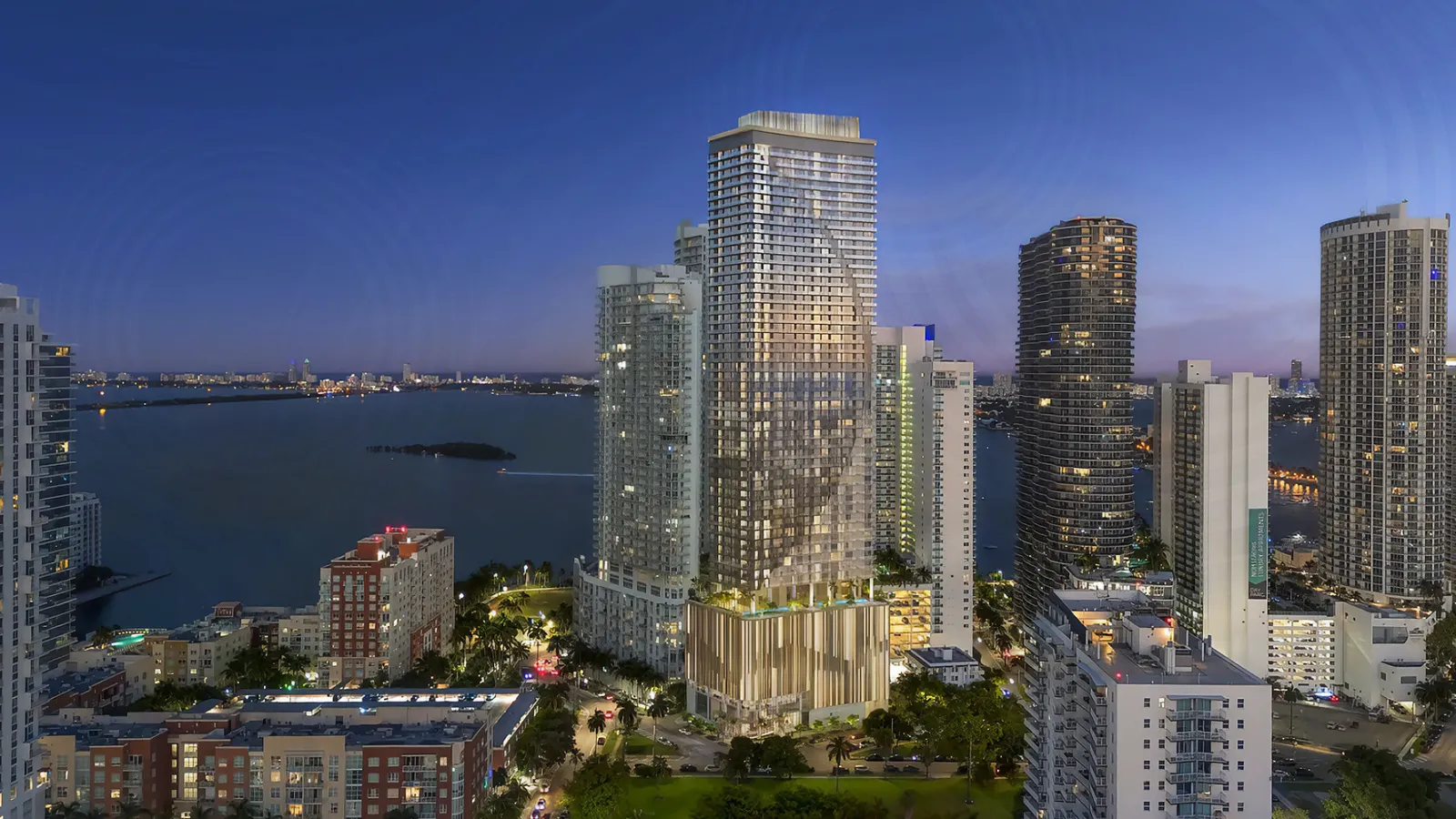
Miami Condo Market Attracting Foreign Buyers at Record Levels
A balcony above Biscayne Bay is no longer a simple vacation dream. The Miami Condo Market is pulling overseas money because it solves several problems at once: a place to park capital, a warm-weather base, a rental-ready asset, and a familiar landing spot for families tied to Latin America, Europe, Canada, and the Northeast. For U.S. readers watching prices, that matters. It explains why some towers sell fast even while older buildings take longer, why cash offers still show up, and why local buyers can feel squeezed without the whole city being out of reach. The better way to read this cycle is not “foreign money is buying everything.” It is more specific. Buyers are choosing buildings that feel easy to own from far away, easy to rent within the rules, and safer than holding wealth in a shaky home-country economy. That is why real estate market coverage often tracks Miami differently from inland U.S. markets.
Why Global Demand Is Changing the Condo Buyer Map
Foreign interest in Miami has never been only about sunshine. Weather opens the door, but capital protection keeps people at the table. A buyer from Colombia may want a Brickell apartment because flights are short, Spanish is widely spoken, and the unit can serve family, business, and rental needs. A buyer from Argentina may view a newer condo as a dollar-based asset outside a home economy with swings that feel personal, not abstract.
The friction starts when that outside demand meets local wages. A Miami teacher, nurse, or small business owner may shop with a mortgage preapproval while an overseas buyer offers cash. That does not mean every listing becomes impossible. It means the cleanest condos in the most familiar neighborhoods get attention from several types of buyers at once.
Foreign buyers in Miami are not one single crowd
The phrase foreign buyers in Miami can hide more than it reveals. Some buyers live abroad and visit twice a year. Some are recent immigrants. Some are parents buying for adult children. Others are investors who want a unit they can rent, hold, or use during winter. Those groups do not all want the same building.
A Colombian family may prefer Doral or downtown because daily life feels familiar. A Brazilian buyer may lean toward Sunny Isles or Miami Beach for oceanfront towers and brand-name amenities. A Canadian snowbird may care less about nightlife and more about parking, walkability, and building reserves. Put them all under one label and you miss the real story.
The non-obvious part is that foreign demand can support some aging buildings less than people expect. International buyers often like condos, but many want clarity. If a building has reserve questions, insurance stress, or major repairs ahead, the buyer who can move money across borders may still walk away. Cash does not mean careless.
This is where local chatter can mislead you. People hear “foreign buyer” and picture someone buying sight unseen with no concern for cost. In practice, many overseas families are more careful because a mistake is harder to fix from another country. They ask about rental limits, tax paperwork, association health, and who will handle the unit when they are gone.
South Florida condos fit the way global families live
South Florida condos work well for people whose lives are spread across countries. A house needs more hands-on care. A condo, at least in theory, offers staff, security, maintenance, parking, package handling, and a lock-and-leave routine. That matters when the owner is in Bogotá, Toronto, São Paulo, Madrid, or New York for part of the year.
A Brickell buyer may land at Miami International Airport in the afternoon, reach the unit before dinner, take meetings the next morning, and leave the following week without worrying about a yard or pool service. That rhythm is one reason international condo buyers often place more value on the building experience than on raw square footage.
This can feel backward to local buyers. Many Americans want more space for the money. Many overseas buyers want less worry for the money. That difference helps explain why a compact, well-run condo can beat a larger but messier option.
It also explains why amenities matter in a different way. A gym, valet desk, package room, and front desk are not only lifestyle extras. For an owner who lands four times a year, they are part of the operating system. The building is doing work a single-family home cannot do without hired help.
Where the Miami Condo Market Still Rewards Careful Buyers
The loudest headlines make Miami sound like one giant luxury auction. That is not how the city works on the ground. The city’s condo scene has layers: waterfront towers, Brickell high-rises, older inland condos, investor-friendly buildings, owner-heavy associations, branded new construction, and mid-market units where monthly costs matter as much as the sale price.
The opportunity sits inside those layers. A buyer who only asks, “Is Miami hot?” is asking the wrong question. The sharper question is, “Which building type is getting foreign demand, and which one is being skipped because ownership has become harder?” That is where local buyers can still find room.
New towers sell a smoother ownership story
New construction and newer luxury towers sell more than a view. They sell predictability. Clean reserves, fresh systems, polished amenities, and a sales office ready to explain the process in several languages all reduce buyer anxiety. For someone wiring funds from another country, that smooth path can be worth a premium.
Take a buyer comparing a new Brickell tower with an older building that has a lower asking price. The older unit may look cheaper on paper. Then the buyer sees higher insurance, a possible special assessment, older elevators, and stricter lending rules. The discount starts to look like a warning label.
That is why developers pay attention to global sales teams, furnished model units, and easy closing coordination. It is not fluff. It answers the exact fears international condo buyers bring to the table: Will this be hard to manage? Will the building age well? Can my family use it without drama?
The best projects also sell a neighborhood routine. A buyer is not only buying a pool deck. They are buying the ability to walk to dinner, reach a bank, meet a lawyer, host relatives, and get to the airport without turning every visit into a car-dependent errand list. That routine has real value.
Older buildings can still win, but the numbers must be honest
An older condo can be a smart buy when the building is well governed and the price reflects reality. The trouble comes when a seller prices a 1980s unit as if the building has the balance sheet of a new tower. Buyers are reading meeting notes, reserve studies, insurance costs, and repair history with more care than they did a few years ago.
Local buyers may have an edge here. They can visit more than once. They can talk to residents. They can notice if the hallway smells damp, if the garage has patched concrete, or if the lobby staff seems overwhelmed. Those details rarely make it into glossy photos.
A practical example: two condos both list near the same price. One has a brighter kitchen and a weaker association. The other has dated tile but a cleaner budget and fewer repair surprises. The second one may be the better purchase. In Miami, boring paperwork can beat pretty staging.
The same logic applies to sellers. If you own in an older tower, do not pretend age is invisible. Show the repair plan. Explain what has already been paid for. Make the building feel legible. A buyer may accept age, but few buyers accept confusion.
What Record Foreign Demand Means for Local Buyers and Sellers
Foreign demand changes the pressure points, not every outcome. Sellers in prime buildings gain a wider buyer pool. Local buyers face more cash competition in certain pockets. Renters may feel the ripple when investors buy units with rental income in mind. Still, the market is not a single wave washing over everyone the same way.
The tension is emotional because housing is personal. A foreign buyer may see a condo as a safe asset. A local buyer sees the same unit as a home near work, school, parents, or a familiar neighborhood. Both views can be true. The policy debate starts when those two truths collide.
Cash offers can distort what “market value” looks like
Cash does not always mean a buyer pays more. It often means the seller accepts less uncertainty. No lender review. Fewer financing delays. Less risk that an appraisal creates a problem two weeks before closing. In a building with loan hurdles, that can move a cash offer to the front even when another offer is close.
This is where foreign buyers in Miami can shift expectations. If a seller hears that nearby units attracted cash, the seller may hold firm longer. That can slow price cuts, especially in buildings with ocean views or high rental appeal. A mortgage buyer then feels like the market is ignoring normal affordability math.
The counterpoint is worth saying plainly: cash buyers cannot save a bad building forever. If monthly fees jump, insurance stays high, and repairs pile up, even wealthy buyers ask harder questions. Liquidity is powerful, but it does not repeal common sense.
A local buyer should use that truth instead of feeling beaten before the search begins. In a building where lenders are cautious, a cash buyer has power. In a building with clean books and broader financing, a prepared mortgage buyer can still compete because more buyers can trust the deal.
Sellers should market the building, not only the unit
A seller who wants global attention needs more than clean photos. Overseas buyers want to understand ownership from a distance. That means clear details on reserves, rental rules, assessments, insurance, parking, storage, management, and pet policy. The less mystery, the wider the audience.
For example, a Coconut Grove seller with a two-bedroom condo should not rely only on balcony shots and sunset language. A stronger listing explains how close the building is to the airport, whether the unit can be leased after purchase, how the association handles repairs, and what monthly fees include. That is useful to a local buyer too.
This is one area where condo buying checklist content can help both sides. Buyers need a calm list before they fall in love with a view. Sellers need to answer the questions that serious buyers ask before they book a flight.
The strongest listings also avoid vague luxury language. “Resort-style living” tells a buyer almost nothing. “Two assigned parking spaces, six-month rental minimum, fully funded elevator project, and no current special assessment” tells a buyer how ownership may feel after closing. That is the language of trust.
How to Read the Next Phase Without Getting Fooled
The next phase will not be simple. Miami can have rising global demand and soft spots at the same time. It can have record luxury deals and price cuts in older buildings. It can attract international homebuyers while local buyers bargain harder in less flashy segments. None of that is a contradiction.
The smart move is to separate signal from noise. A $50 million penthouse does not tell you what a one-bedroom near Midtown is worth. A slow condo in an older tower does not mean the whole region is falling apart. Miami is too segmented for lazy takes.
International homebuyers follow currency, politics, and flight paths
International homebuyers are sensitive to forces local buyers may barely track. Currency swings can make a Miami purchase feel cheaper or more expensive within months. Elections, tax changes, capital controls, and personal safety concerns can push families to move money faster than a normal U.S. buyer would.
That is why the National Association of Realtors international buyer report matters. It helps show that foreign purchases are not random trophy buys. They are part of a wider U.S. pattern shaped by cash, wealth protection, migration, and confidence in property rights.
The odd insight is that Miami’s risk can also be part of its appeal. Hurricanes, insurance costs, and condo laws make ownership harder. Yet buyers from unstable economies may still see Florida real estate as calmer than keeping too much wealth at home. Risk is not universal. People compare it to the risks they already know.
That comparison is why demand can surprise people who only watch U.S. mortgage rates. A domestic buyer may step back when rates rise. A cash buyer from abroad may care more about currency, safety, and whether the family can enter and use the property with ease. Different pressures create different timing.
South Florida condos will split by trust
South Florida condos are likely to split by trust, not only by price. Buyers will pay up for buildings they trust. They will push back on buildings that feel uncertain. That gap can widen even if overall demand stays strong.
A trusted building has records, reserves, communication, maintenance, and rules that make sense. An untrusted building may still have a great view, but a great view cannot explain a surprise assessment. For out-of-town and overseas buyers, trust becomes the amenity beneath every other amenity.
For local Americans, the lesson is direct. Do not chase Miami headlines. Study the building. Compare monthly fees against services and reserves. Ask how many units are rented. Read board notes. Look at insurance. Then decide whether the price is buying a home, a headache, or a safe long-term hold.
This is also why neighborhood averages can be weak guides. A condo near the water with a strong association may deserve a different price path than a similar-size unit ten blocks away with unresolved repair costs. The map matters, but the board packet may matter more.
Conclusion
Miami is not becoming less complicated. It is becoming more selective. The same forces pulling overseas money into condos are also making buyers more careful: higher ownership costs, sharper building rules, and a clearer divide between trusted towers and troubled ones. That gives sellers a chance, but only if they present the building with honesty. It gives local buyers a path, but only if they stop treating every listing as part of the same story. The Miami Condo Market is strongest where global access, clean building finances, and daily livability meet in one address. A view may start the conversation, yet trust closes the deal. The best move now is patient, local, and paperwork-heavy. Tour slowly. Ask sharper questions. Compare buildings before you compare countertops. In this city, the cheapest surprise is the one you find before closing. For anyone buying, selling, or writing about this city, the next advantage will belong to people who read past the headline and study the building beneath it. Start with the numbers, walk the property, and make the condo prove itself before your money does.
Frequently Asked Questions
Why are foreign buyers so interested in Miami condos?
Miami offers warm weather, direct flights, cultural familiarity, strong rental appeal, and dollar-based property ownership. Many overseas buyers also see condos as easier to manage than houses because buildings handle security, maintenance, amenities, and common-area care.
Are foreign buyers making Miami condos unaffordable for locals?
They add pressure in certain buildings and neighborhoods, especially where cash offers are common. The effect is not equal everywhere. Older buildings, inland areas, and condos with higher fees may still give local buyers room to negotiate.
What type of Miami condo attracts international buyers most?
Newer, well-managed buildings near the water, airport access, business districts, or walkable lifestyle areas tend to draw the most attention. Buyers from abroad often value security, easy management, rental rules, parking, and clear association finances.
Is buying an older Miami condo a bad idea?
No, but the building matters more than the finishes. A dated unit in a well-funded association can be safer than a pretty unit in a building facing repairs, weak reserves, or rising insurance costs.
Do foreign buyers usually pay cash for Miami property?
Many international buyers pay cash because financing can be harder across borders and cash gives sellers more certainty. That does not mean every overseas buyer overpays. Cash often wins because it reduces closing risk.
How can local buyers compete in a cash-heavy condo market?
Local buyers can compete by focusing on less obvious buildings, getting full loan approval early, studying association documents fast, and writing clean offers. They should also look where foreign demand is thinner, not only where headlines point.
What should sellers highlight to attract overseas buyers?
Sellers should explain building finances, rental rules, assessments, parking, insurance, management, amenities, and airport access. International buyers want confidence. A listing that answers ownership questions clearly can stand out without hype.
Will Miami condo demand keep rising?
Demand can stay strong, but it will likely become pickier. Buildings with sound finances, clear rules, and strong locations should hold interest better than buildings with repair questions or unclear costs.