Dallas Fort Worth New Construction Outpacing Every Other Texas Market
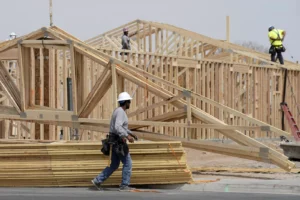
North Texas does not feel like one housing market anymore. It feels like a chain of fast-moving towns, job centers, school districts, toll roads, and builder signs stretching from Frisco to Fort Worth’s northern edge. Dallas Fort Worth new construction is not rising because buyers suddenly love fresh drywall. It is rising because the region still has land, jobs, migration, and builders willing to chase demand farther out than many buyers expected.
That matters if you are trying to buy, rent, sell, invest, or read the DFW housing market without getting fooled by old headlines. Local supply is growing, yet the better-located homes still pull attention. Statewide, Texas inventory rose in early 2026, while the Texas Real Estate Research Center reported that DFW inventory grew more slowly than Houston and San Antonio. That gap tells you something useful: North Texas has more supply, but not everywhere, and not always where people want it most. For broader real estate market visibility, property market coverage helps connect these shifts to the way local Americans follow housing news.
Why Dallas Fort Worth New Construction Keeps Pulling Ahead
DFW has one edge that many Texas metros envy: it can stretch in several directions at once. Houston has size, Austin has tech appeal, San Antonio has affordability, but North Texas has a rare mix of job centers and buildable edges. The result is a housing engine that keeps finding fresh ground even when mortgage rates make buyers cautious.
Job growth keeps pulling buyers toward the edges
The first reason is employment geography. Dallas and Fort Worth do not rely on one downtown core. Office parks in Plano, logistics hubs near Alliance, corporate campuses in Frisco, medical jobs in Dallas, and industrial work across Tarrant County all create separate pockets of housing demand.
That spreads buyers across the map. A nurse working near McKinney, a warehouse manager near Haslet, and a software worker near Las Colinas may all search in different suburbs. Texas home builders like that setup because they can build near several job clusters instead of betting on one corridor.
The non-obvious part is that this can make the market look calmer than it feels. A buyer may see more listings across the region and think choices are wide open. Then they search near a school district, commute route, or builder incentive zone and find the good choices shrinking fast.
Land is still available, but it is not equal
North Texas still has land, but not all land solves the same problem. A subdivision near Celina does not replace a home near Lake Highlands. A master-planned community in Melissa does not serve the same buyer as a townhome near central Fort Worth.
That is why new homes in North Texas can grow in volume while some buyers still feel boxed in. The region can add thousands of homes, yet the commute, school zone, tax rate, and insurance cost decide whether that supply helps you.
Look at the outer-ring pattern. Prosper and Celina have drawn attention because they offer room for larger master-planned neighborhoods. Fort Worth’s far north has seen similar momentum because road access and job growth meet land that can still be assembled. The lesson is simple. Supply counts, but placement counts more.
The Numbers Show Momentum, Not a Simple Boom
The headline sounds loud, but the truth is more measured. DFW is not building because every buyer is relaxed. It is building because the region’s long-term need for housing has stayed strong while builders adjust prices, floor plans, incentives, and locations to meet a tighter payment reality.
Permit activity shows builders are still active
The best way to read builder confidence is not a sales pitch. It is permits. FRED data from the U.S. Census Bureau shows the Dallas-Fort Worth-Arlington metro authorized 5,488 private housing units by permit in April 2026, after 5,331 in March and 7,274 in February. That is a strong pace for a market dealing with higher borrowing costs.
National context makes the DFW number more interesting. NAHB reported that U.S. single-family permits fell 7.6 percent in the first quarter of 2026, while multifamily permits rose 7.1 percent. Texas still led the country in single-family permits through Q1, even though the state was down from the year before.
That is the tension. Texas home builders are not operating in an easy market. They are working through expensive money, choosier buyers, and higher land costs. DFW keeps standing out because its demand base is broad enough to keep projects moving.
Texas rivals are strong, but DFW has more balance
Houston remains a giant. Austin still has wealth and global name recognition. San Antonio offers value that first-time buyers notice. Yet DFW’s advantage is balance.
ConsumerAffairs ranked Dallas first among major metros for early 2026 homebuilding and sales activity, with Houston second, Austin seventh, and San Antonio tenth. Its analysis used Census permit data and Zillow sales data across large U.S. metros, which makes the Texas comparison useful without pretending every submarket works the same way.
Here is the counterintuitive part: DFW’s strength does not mean every builder is winning. Some communities will need price cuts. Some lots will sit. Some buyers will walk away after seeing taxes, HOA fees, or commute times. A leading market can still punish bad pricing.
What This Means for Buyers, Renters, and Sellers
The DFW housing market is giving people more options, but not a free pass. More supply can help buyers negotiate, especially in outer suburbs where builders carry standing inventory. Still, the best homes do not sit forever. The choice is no longer “buy now or lose forever.” It is “know where supply is soft and where demand still has teeth.”
Buyers can negotiate, but only with the right target
A resale seller in a tight school zone and a production builder with 18 finished homes are not the same opponent. Buyers who treat them the same lose money.
With builders, the best deal may not be a lower sticker price. It may be a mortgage-rate buydown, closing-cost help, design credit, appliance package, or lot premium discount. Larger Texas home builders often prefer incentives because they protect nearby appraisals and keep posted prices from falling too fast.
A real example is a buyer comparing a resale home in Plano with a fresh build farther north. The resale may have a shorter commute and mature trees. The builder home may offer a lower monthly payment after incentives. The right choice depends less on the headline price and more on the full monthly cost.
Renters are affected even if they are not buying
New homes in North Texas also change the rental market. Some single-family communities now aim at renters who want a yard, garage, and school access without a down payment. That can pull families away from older apartments and create a middle lane between renting and buying.
This does not always make rent cheap. It can raise the standard for what renters expect. A two-bedroom apartment near Dallas may compete with a build-to-rent townhome farther out. The apartment wins on location. The townhome wins on space.
For sellers, this creates a tougher test. A 15-year-old house with worn carpet and no pricing discipline now competes against builder warranties and fresh finishes. The seller who ignores that reality may sit. The seller who prices against the actual buyer choice can still move.
The Hidden Risks Behind the Building Surge
Fast building creates opportunity, but it also hides costs. DFW’s growth is not only a housing story. It is a road story, a school story, a water story, and a tax story. When rooftops arrive before services catch up, buyers may pay in ways that never show up in the base price.
Infrastructure can lag behind rooftops
A fresh subdivision can look finished long before the area around it feels settled. The model home opens first. The grocery store, widened road, extra school wing, and clinic may come later.
That lag matters. A buyer may save on the house and spend the savings through longer drives, tolls, higher car wear, or time lost each week. In North Texas, a 12-mile commute can feel short on a map and long on a weekday morning.
The DFW housing market trends worth watching are not only prices and permits. Watch school bond votes, road projects, utility capacity, and commercial openings. Those signs tell you whether a growing area is becoming a true community or still waiting for the basics.
Oversupply can happen by price band
Oversupply does not always hit a whole metro. It can hit one price band, one town, or one builder-heavy corridor. That is the risk in DFW now.
A community with many homes above local income comfort can stall even while cheaper homes nearby sell. A suburb with heavy investor activity can cool if rents flatten. A builder that misses the right floor plan size may have inventory while a rival across the road sells faster.
This is why buyers should study more than the model home. Compare completed homes, pending sales, incentives, tax rates, HOA fees, and nearby resale competition. Sellers should do the same before pricing. A resale house no longer competes only with resale houses.
Conclusion
DFW’s building lead is not an accident, and it is not a guarantee of easy wins. The region has the land, jobs, population pull, and builder base to keep adding homes at a pace that many Texas markets cannot match. Still, the smartest read is not “more homes means cheaper homes everywhere.” That misses the point.
Dallas Fort Worth new construction is reshaping the market by giving buyers more choices in some places while keeping pressure high in others. The next winners will be the buyers who compare total monthly cost, the sellers who respect builder competition, and the investors who judge location with patience. For a deeper local planning angle, use a Texas homebuyer guide before choosing a suburb, school district, or builder contract.
North Texas is still building forward. Make sure your decision does not run behind it.
Frequently Asked Questions
Is DFW building more homes than Houston?
DFW ranked ahead of Houston in one early 2026 national analysis that measured both permits and sales, while Houston still posted major volume. The better question is location. Houston and DFW both build heavily, but DFW’s growth spreads across more separate job and suburb corridors.
Are newly built homes cheaper than resale homes in North Texas?
Sometimes they are cheaper on a monthly basis after builder incentives, even when the listed price looks higher. Rate buydowns, closing help, and warranty value can change the math. Buyers should compare payment, taxes, HOA fees, insurance, commute cost, and repair risk.
What DFW suburbs have the most homebuilding activity?
Northern and outer-ring suburbs often show the most visible growth, including areas around Celina, Prosper, Melissa, McKinney, Anna, Forney, Haslet, and parts of Fort Worth’s northern side. Activity shifts by land deals, roads, schools, and builder inventory.
Is it better to buy from a builder or a resale seller in DFW?
A builder may offer stronger incentives and fewer repair worries. A resale seller may offer a better location, mature neighborhood, larger lot, or shorter commute. The better choice depends on total cost and daily life, not the age of the house alone.
Why are builders still active when mortgage rates are high?
Builders can adjust faster than many resale sellers. They can offer financing incentives, change floor plans, release smaller lots, or slow future phases. DFW also has broad job demand, so builders still see enough buyers to keep many projects alive.
Can more housing supply lower prices in Dallas Fort Worth?
More supply can soften prices, especially where builders compete with finished homes. It may not lower prices in land-constrained neighborhoods, top school zones, or areas near major job centers. Supply helps most when it appears where buyers already want to live.
What should first-time buyers watch before signing a builder contract?
Focus on the full payment, property taxes, HOA rules, warranty terms, inspection rights, lender terms, and what happens if rates change before closing. Also visit the area during rush hour. A beautiful house can feel different after a hard commute.
Will DFW keep leading Texas homebuilding?
DFW has a strong chance to stay near the top because it has land, jobs, and multiple growth corridors. The pace could slow if rates rise, job growth weakens, or buyers resist far-out commutes. The long-term need for housing remains clear.